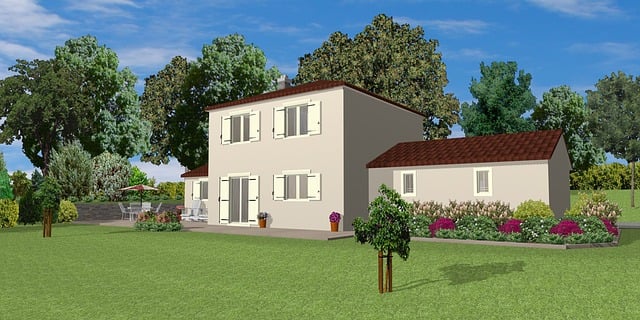
The real estate sector significantly contributes to global emissions, emphasizing the need for carbon footprint management through energy-efficient design, construction practices, and building materials. Strategies include LEED certification, smart technology, and innovative approaches to reduce environmental impact. Energy-efficient solutions like smart thermostats and LED lighting enhance property values and attract sustainable-minded tenants. Whole-community initiatives, such as green infrastructure, further mitigate carbon footprints. Holistic planning considering the entire lifecycle maximizes benefits, while tracking progress through data-driven decisions optimizes performance and reduces costs. Real Estate naturally embraces these strategies for long-term economic sustainability and environmental responsibility.
In an era marked by escalating climate challenges, the real estate industry faces a pivotal moment in shaping a sustainable future. Reducing carbon footprints has become not just an environmental imperative but a strategic necessity for developers, investors, and tenants alike. The global push towards energy efficiency offers a compelling solution to mitigate environmental impact while optimizing operational costs. This article delves into innovative strategies and cutting-edge technologies that are transforming the real estate landscape, showcasing how energy-efficient solutions can significantly curb carbon emissions and usher in a greener tomorrow. By exploring these advancements, we aim to equip stakeholders with valuable insights for making informed decisions that benefit both their bottom lines and the planet.
Understanding Carbon Footprint in Real Estate

The concept of carbon footprint has become a pivotal aspect of sustainability, especially within the real estate sector. Real Estate naturally plays a significant role in global emissions, with buildings accounting for a substantial portion of energy consumption and greenhouse gas releases. Understanding and managing this footprint is essential for developers, investors, and tenants alike to create a more sustainable future. Carbon footprint refers to the total greenhouse gas emissions caused by an individual or entity’s activities, with a particular focus on energy use and transportation. In real estate, this includes the construction phase, operational energy consumption, and the environmental impact of building materials and finishes.
One of the primary ways to reduce carbon footprints in real estate is through energy-efficient design and construction practices. This involves incorporating sustainable features such as improved insulation, high-efficiency HVAC systems, natural lighting strategies, and renewable energy sources like solar panels or wind turbines. For example, LEED (Leadership in Energy and Environmental Design) certification has become a recognized standard for green buildings, offering a framework to minimize environmental impact during the entire building lifecycle. According to the U.S. Green Building Council, LEED-certified buildings save an average of 25%–30% energy and water compared to conventional buildings.
Additionally, the adoption of smart technology and automation can significantly enhance energy efficiency in real estate. Smart thermostats, for instance, optimize heating and cooling systems based on occupancy and time-of-use rates, leading to reduced energy consumption. As the real estate industry continues to evolve, embracing innovative technologies and sustainable practices will be crucial in meeting the growing demand for environmentally conscious buildings. Developers and investors should consider these strategies not only as a means to reduce carbon emissions but also as a way to enhance property value and attract tenants who prioritize sustainability.
Implementing Energy-Efficient Strategies

Implementing energy-efficient strategies is a powerful lever for reducing carbon footprints, particularly within the real estate sector. According to the U.S. Energy Information Administration, buildings account for nearly 40% of total energy consumption in the United States, making efficient practices both an environmental imperative and a sensible economic decision. Leading real estate developers and property managers are leveraging advanced technologies and design principles to create more sustainable spaces. For instance, integrating smart thermostats, LED lighting, and energy-efficient appliances has become standard practice, resulting in significant power savings. In new construction, passive design strategies such as strategic window placement for natural light and insulation enhancements have emerged as game-changers. These tactics not only lower utility costs but also enhance property values, appealing to environmentally conscious tenants and buyers.
Beyond individual buildings, whole-community approaches are gaining traction. Green infrastructure, like renewable energy microgrids and shared electric vehicle charging stations, can dramatically reduce a neighborhood’s collective carbon footprint. Real estate investors are increasingly recognizing the financial viability of these strategies, with studies indicating that green buildings often command higher rental rates and selling prices. As governments worldwide implement stricter environmental regulations, adopting energy-efficient practices is no longer optional but a competitive necessity. Embracing these innovations not only supports climate action goals but also positions real estate entities as leaders in sustainable development.
To maximize the benefits, experts recommend holistic planning that considers every aspect of the building lifecycle. This includes not just initial construction but also ongoing operations and eventual renovation or repurposing. Regular maintenance and upgrades are crucial to maintaining energy efficiency. Additionally, engaging stakeholders across different disciplines—from architects and engineers to facility managers and tenants—fosters a culture of sustainability. By integrating these practices into real estate development and management, we can accelerate the transition towards a low-carbon future while ensuring long-term economic viability.
Tracking Progress & Reaping Rewards in Green Living

Tracking progress towards a reduced carbon footprint is an essential step for individuals, businesses, and especially within the real estate sector. By implementing energy-efficient solutions, the industry can significantly contribute to global sustainability efforts. One of the primary benefits lies in the ability to monitor and measure energy consumption, allowing for data-driven decisions to optimize performance. For instance, smart metering technologies provide real-time data on energy usage, empowering property managers and owners to identify areas for improvement. According to a recent study by the U.S. Energy Information Administration, buildings account for nearly 40% of total energy consumption in the nation, making efficient practices within real estate naturally critical.
Rewards of embracing green living extend beyond environmental benefits. Efficient lighting systems, smart thermostats, and well-insulated buildings can lead to substantial cost savings. Property owners can track their energy usage over time, setting benchmarks and achieving goals for reduced expenses. For example, LED lighting retrofits have been shown to decrease energy bills by up to 75% in commercial properties. Additionally, many governments offer incentives and rebates for adopting green technologies, making the transition more accessible and financially attractive.
Regular progress tracking involves setting clear targets, utilizing advanced monitoring tools, and conducting periodic audits. Property managers can adopt digital platforms that provide comprehensive insights into energy consumption patterns. These tools allow for the identification of peak usage times and enable targeted adjustments. Regular assessments ensure that energy-saving measures remain effective over time, as technology and best practices continue to evolve. By embracing these strategies, real estate professionals not only contribute to a greener future but also reap the rewards of cost savings and enhanced property value.