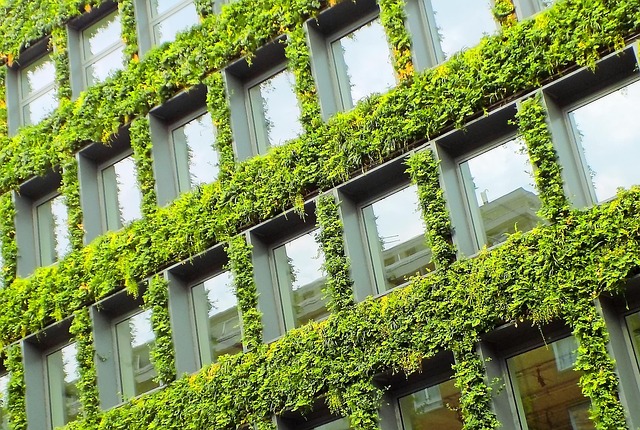
In real estate, sustainable development is no longer a niche but an essential practice. Using eco-friendly materials and design principles reduces carbon footprints, saves energy costs, and attracts conscious buyers/tenants. Smart thermostats and energy management systems optimize indoor environments, minimizing waste and bills. Integrating renewable energy sources like solar panels and wind turbines further transforms the fight against climate change, promoting sustainability and reducing reliance on non-renewable resources.
In the real estate sector, the quest for energy-efficient solutions is not just an environmental imperative but a strategic business decision. As the world grapples with climate change, reducing carbon footprints has become paramount. This article explores three key strategies that are transforming the landscape of green building and management in real estate: green building materials and design, smart thermostats and energy management systems, and renewable energy sources integration.
Green Building Materials and Design in Real Estate

In the realm of real estate, green building materials and design are no longer niche considerations but essential components of sustainable development. By embracing eco-friendly options like bamboo, recycled steel, and energy-efficient insulation, developers and architects can significantly reduce a property’s carbon footprint. These materials not only minimize environmental impact during production but also offer long-term benefits in terms of energy conservation and lower operational costs for tenants.
Sustainable design principles, such as natural lighting, green roofs, and efficient ventilation systems, are transforming the landscape of Real Estate. These strategies not only contribute to a healthier indoor environment but also appeal to environmentally conscious buyers and tenants. In today’s digital era, where awareness of climate change is paramount, real estate professionals who prioritize green building practices stand to gain a competitive edge while making a tangible difference in the fight against carbon emissions.
Smart Thermostats and Energy Management Systems

Smart thermostats and energy management systems are transforming the way we control our indoor environments, offering significant benefits for both homeowners and the environment in real estate. These innovative technologies allow for precise temperature regulation and energy usage monitoring. By learning occupants’ habits and adjusting settings accordingly, smart thermostats optimize heating and cooling, reducing energy waste. This not only lowers utility bills but also contributes to a smaller carbon footprint.
Energy management systems take this a step further by integrating with various appliances and devices in a building, creating an interconnected network. These systems can automatically adjust lighting, control ventilation, and manage hot water heaters, all while providing real-time data on energy consumption. This holistic approach enables property managers and residents to make informed decisions about energy conservation, ensuring more sustainable living spaces.
Renewable Energy Sources Integration Strategies

The integration of renewable energy sources in the real estate sector is a game-changer in the fight against climate change. By adopting strategies such as solar panel installations on rooftops, property developers and homeowners can significantly reduce their carbon footprint. Solar power, harnessed from the sun’s rays, offers a clean and sustainable alternative to conventional electricity generation. This approach not only lowers energy costs for occupants but also contributes to a more environmentally conscious community.
Furthermore, wind energy is another renewable resource that can be utilized in urban areas with suitable high-rise buildings or open spaces. Small-scale wind turbines can generate electricity, providing an additional layer of sustainability to the built environment. Integrating these renewable sources into real estate development plans ensures a more eco-friendly future, reducing the reliance on non-renewable energy resources and mitigating the impact of carbon emissions.