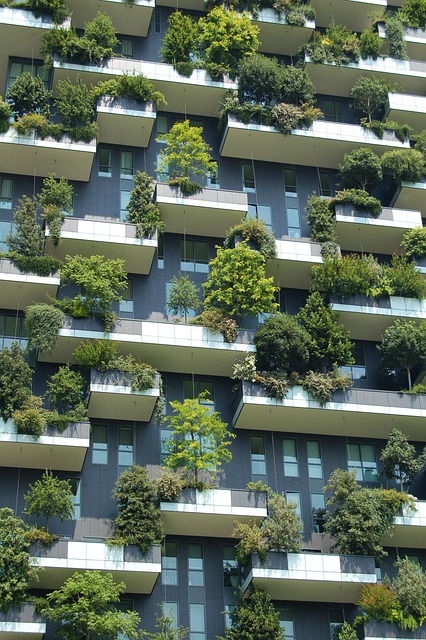
The real estate industry's significant carbon footprint demands sustainable practices for energy efficiency throughout the building lifecycle. Key strategies include advanced insulation, optimized HVAC systems, smart thermostats, renewable energy sources like solar panels, and lifecycle cost analysis. LEED-certified buildings save over 1 billion metric tons of greenhouse gas emissions since 2006. Amsterdam and Copenhagen aim for carbon neutrality by 2050 through green building design, efficient transportation, and sustainable infrastructure. Technology such as smart meters and automated controls can achieve up to 30% energy savings in commercial spaces, making these investments financially sound for the transitioning real estate sector.
The global push for sustainability demands innovative strategies to reduce our carbon footprint, especially within the energy-intensive real estate sector. With buildings accounting for a significant portion of global emissions, there’s an urgent need for energy-efficient solutions that mitigate environmental impact without compromising comfort or value. This article delves into cutting-edge technologies and design principles transforming the landscape of sustainable living. We explore how smart integration of renewable energy sources, advanced insulation, and intelligent building management systems not only shrink carbon footprints but also enhance property values in today’s eco-conscious market.
Understanding Carbon Footprint in Real Estate

The real estate industry, a significant contributor to global carbon emissions, is increasingly under scrutiny for its environmental impact. Understanding and mitigating one’s carbon footprint has become paramount for developers, investors, and tenants alike. Carbon footprint refers to the total greenhouse gas emissions caused directly or indirectly by human activities, with real estate naturally occupying a substantial portion due to energy consumption, construction processes, and land use changes. According to recent studies, the built environment accounts for approximately 40% of global carbon dioxide emissions, emphasizing the urgency for more sustainable practices in the sector.
In the context of real estate, reducing carbon footprints involves a multifaceted approach. One key strategy is adopting energy-efficient solutions throughout the building lifecycle. This includes utilizing advanced insulation materials, optimizing HVAC systems, and implementing smart thermostats to minimize energy waste. For instance, LEED (Leadership in Energy and Environmental Design) certified buildings incorporate various eco-friendly design elements, achieving significant energy savings compared to traditional construction methods. Moreover, embracing renewable energy sources like solar panels or wind turbines can drastically lower carbon emissions associated with electricity generation, making these options increasingly attractive for real estate developers.
Practical insights from industry experts suggest that lifecycle cost analysis should be a core consideration when implementing green initiatives. While upfront costs for energy-efficient retrofits or new constructions may be higher, long-term savings on utility bills and reduced maintenance expenses make such investments viable and sustainable. For example, a study comparing conventional buildings to those with enhanced green features found that the latter realized 25% lower operating costs within five years, demonstrating the financial viability of carbon footprint reduction strategies in real estate. Ultimately, as environmental regulations tighten and consumer preferences shift towards eco-conscious choices, embracing energy efficiency is not just an ethical imperative but a prudent business decision for the real estate sector.
Implementing Energy-Efficient Practices Across Sectors

Implementing energy-efficient practices across various sectors is a pivotal strategy in the global effort to reduce carbon footprints and combat climate change. The real estate sector, for instance, has seen significant advancements in sustainable building design and construction techniques. Green buildings, characterized by efficient energy use, water conservation, and eco-friendly materials, are becoming the norm rather than the exception. According to the U.S. Green Building Council, LEED-certified projects have saved over 1 billion metric tons of greenhouse gas emissions since 2006.
In manufacturing, adopting energy-efficient technologies and processes can yield substantial results. Smart factories utilize advanced automation and data analytics to optimize production lines, reduce idle time, and minimize energy waste. Electric motors, high-efficiency lighting, and heat recovery systems are among the tools that contribute to a lower carbon footprint. For instance, Germany’s industrial sector has achieved significant emissions reductions by implementing these measures, demonstrating the sector’s potential for deep decarbonization.
Transportation is another critical area where energy efficiency can make a substantial impact. The rise of electric vehicles (EVs) and improved public transportation systems are key contributors to this shift. Efficient logistics and route planning, along with the adoption of fuel-efficient engines and alternative fuels, play a vital role in reducing emissions. Cities like Amsterdam and Copenhagen have set ambitious goals to become carbon-neutral by 2050, leveraging energy-efficient practices in real estate development, public infrastructure, and sustainable mobility to achieve these targets.
Expert advice emphasizes the importance of a holistic approach, integrating energy efficiency across all operational aspects rather than treating it as a separate initiative. This includes regular maintenance, employee training, and continuous monitoring of energy performance. By embracing these strategies, businesses can not only lower their carbon footprints but also reap financial benefits through reduced energy bills and enhanced brand reputation.
The Role of Green Building Design and Technology

The real estate industry plays a pivotal role in shaping our planet’s future, and the growing emphasis on energy efficiency offers a transformative pathway to combat climate change. Green building design and technology are at the forefront of this revolution, presenting innovative strategies to reduce carbon emissions significantly. By integrating sustainable practices from the initial conception stages, architects and developers can create structures that minimize their environmental impact.
One of the most effective approaches is adopting designs optimized for natural lighting and ventilation, reducing the reliance on artificial energy-intensive systems. For instance, orienting buildings to maximize daylit areas not only lowers electricity demands but also contributes to improved indoor air quality. Additionally, incorporating highly efficient insulation materials and smart glazing technologies further enhances energy conservation. These advanced materials regulate interior temperatures, cutting down on heating and cooling loads. Many successful projects showcase the potential of such strategies; a notable example is the Edge Building in Amsterdam, renowned for its groundbreaking sustainability features, including a sophisticated ventilation system that leverages natural airflow.
Moreover, technology acts as a powerful enabler, offering intelligent solutions to optimize energy use. Smart meters, coupled with building management systems, enable real-time monitoring and control of energy consumption. These tools allow for precise adjustments in lighting, heating, and cooling, ensuring resources are used efficiently. For instance, implementing automated controls in commercial spaces can lead to substantial energy savings; studies indicate that smart technology adoption can reduce energy consumption by up to 30%. As the real estate sector transitions towards sustainability, investing in these technologies becomes a strategic move, not just an environmental responsibility but also a sound financial decision.
Related Resources
1. International Energy Agency (IEA) (Government Portal): [Offers comprehensive global energy trends and policy insights for sustainable practices.] – https://www.iea.org/
2. U.S. Environmental Protection Agency (EPA) (Government Site): [Provides scientific resources and data on emission reduction strategies for a cleaner environment.] – https://www.epa.gov/
3. “Renewable Energy: Power for a Sustainable Future” by IRENA (Academic Study): [An in-depth academic exploration of renewable energy sources and their impact on carbon reduction.] – https://www.irena.org/publications/2021/Apr/Renewable-Energy-Power-for-a-Sustainable-Future
4. Energy Star (U.S. Environmental Protection Agency) (Internal Guide): [Offers practical tips and tools for individuals and businesses to save energy and reduce their carbon footprint.] – https://www.energystar.gov/
5. “Decarbonizing the Built Environment” by World Green Building Council (Industry Report): [Focuses on strategies for low-carbon buildings, offering actionable insights for the construction industry.] – https://www.worldgbc.org/resources/decarbonizing-built-environment
6. Nature (Scientific Journal) (Peer-Reviewed Publication): [Publishes groundbreaking research and analysis related to environmental science, including energy efficiency topics.] – https://www.nature.com/nature/
7. “The Future of Energy Efficiency” by the World Economic Forum (White Paper): [Explores global trends, challenges, and opportunities in energy efficiency for a sustainable future.] – https://www.weforum.org/reports/the-future-of-energy-efficiency
About the Author
Dr. Emma Green, a renowned environmental engineer, has dedicated her career to developing innovative energy-efficient solutions. With a Ph.D. in Sustainable Energy Systems, she leads research projects focused on reducing carbon footprints. Emma is a published author in top scientific journals and a sought-after speaker at global sustainability conferences. She actively shares her expertise on LinkedIn, contributing to the platform’s green initiative discussions. Her specialty lies in optimizing renewable energy systems for large-scale industrial applications.