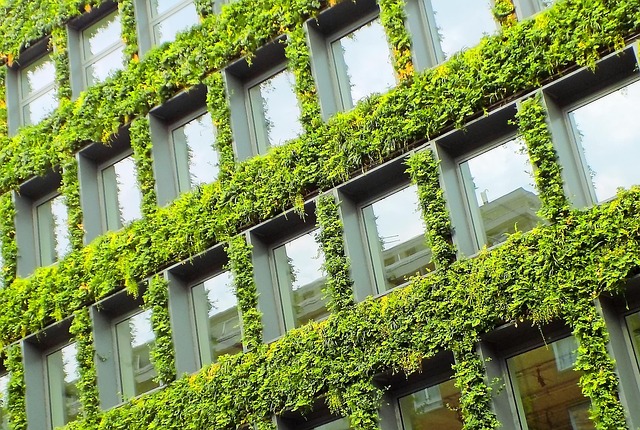
Real Estate naturally embraces sustainable construction as a regulatory necessity and market trend driven by global standards like EU BRI goals. Developers and investors lead this transition, enhancing property value. Site-specific considerations, including local climates, ecosystems, and communities' needs, are vital for architects. Stakeholder engagement ensures community support and compliance with regulations. Navigating evolving environmental laws and engaging specialists guarantees regulatory adherence. Green building certifications like LEED and BREEAM offer long-term benefits. Integrating locally sourced materials and green spaces reduces environmental impact. Tailored solutions address specific climates, fostering resilient, sustainable future developments.
The construction industry is undergoing a significant transformation as sustainability emerges as a paramount concern. In the realm of real estate, aligning projects with environmental regulations has become not just a moral imperative but a legal requirement. The challenge lies in balancing regulatory compliance with economic feasibility, especially as standards evolve. This article delves into the intricacies of sustainable construction practices, offering insights into how developers and builders can navigate this complex landscape. We explore practical strategies to stay ahead of regulations while creating resilient, eco-friendly spaces that define the future of real estate.
Understanding Sustainable Construction Principles in Real Estate

In the realm of real estate, sustainable construction is not just a trend but an essential principle that aligns with regulatory standards and drives market demand. Understanding and implementing sustainable construction principles require a holistic approach, considering environmental, social, and economic factors unique to each project and location. Regulators worldwide are increasingly adopting stringent guidelines that mandate eco-friendly practices, energy efficiency, and the use of sustainable materials in new constructions and renovations. For instance, the European Union’s Building Research Institute (BRI) has set ambitious targets for zero-carbon buildings by 2050, influencing global standards.
Real estate developers and investors have a pivotal role in this transition. They can drive market change by adopting sustainable construction practices that reduce environmental impact, enhance property value, and attract eco-conscious tenants and buyers. For example, integrating green roofs and walls not only improves energy efficiency but also creates biodiverse urban ecosystems. Similarly, utilizing recycled and locally sourced materials reduces a project’s carbon footprint while supporting regional economies. Data from the U.S. Green Building Council reveals that LEED-certified buildings command higher rents and selling prices due to their superior sustainability metrics.
An expert perspective emphasizes the importance of site-specific considerations in sustainable construction. Architects and engineers must carefully analyze local climates, ecosystems, and community needs to design buildings that harmonize with their surroundings. For real estate projects, this might involve optimizing natural lighting and ventilation to reduce energy consumption or integrating smart home technologies for efficient water and energy management. Additionally, engaging stakeholders throughout the planning process ensures buy-in from communities, fostering a sense of ownership and support for sustainable initiatives. This collaborative approach not only strengthens regulatory compliance but also paves the way for innovative, responsible real estate developments.
Navigating Regulations: Key Steps for Eco-Friendly Buildings

Navigating Regulations is a critical step for real estate professionals aiming to construct eco-friendly buildings. The first challenge lies in understanding a web of ever-evolving environmental laws and standards, which vary by region and often apply differently to new constructions versus renovations. For instance, in many jurisdictions, building codes now mandate specific energy efficiency measures, renewable energy integration, and the use of sustainable materials, with updates occurring regularly based on advancements in green technology. Developers must stay abreast of these changes through industry publications, government websites, and professional networks.
A practical approach involves engaging experienced architects and engineers who specialize in sustainable design and are well-versed in local regulations. These experts can guide clients through the permitting process, ensuring compliance from the outset. This includes preparing detailed designs that meet or exceed regulatory requirements, such as those related to water conservation, waste management, and indoor air quality. For example, a project in a drought-prone area might incorporate rainwater harvesting systems and efficient irrigation while adhering to local water conservation codes.
Once on site, strict adherence to building permits and regular inspections is vital to avoid penalties. Regular communication with local authorities can help clear up any doubts or ambiguities that arise during construction. Moreover, leveraging digital tools designed for sustainable construction can enhance transparency and accountability. These technologies track material usage, energy consumption, and waste generation throughout the project lifecycle, enabling real-time adjustments to ensure compliance and maximize ecological benefits.
Integrating Practices: Creating Compliant and Green Spaces

In the realm of sustainable construction, integrating eco-friendly practices is not just a trend but a necessity, especially within the dynamic landscape of real estate. Creating compliant and green spaces demands a strategic approach that blends regulatory adherence with environmental stewardship. Developers and architects are increasingly recognizing the importance of aligning their projects with stringent environmental standards, ensuring both legal compliance and long-term sustainability benefits for communities. This shift is not merely about reducing carbon footprints; it involves designing buildings that thrive as part of their natural surroundings, promoting biodiversity, and enhancing the overall quality of life for residents.
One practical approach involves adopting green building certifications like LEED (Leadership in Energy and Environmental Design) or BREEAM (Building Research Establishment Environmental Assessment Method). These frameworks provide guidelines and standards for everything from energy-efficient systems to sustainable materials sourcing. For instance, using locally sourced, recycled, or sustainably managed materials can significantly reduce a project’s environmental impact while meeting regulatory requirements. Additionally, incorporating green spaces within urban settings offers multiple advantages. Green roofs, for example, provide insulation, absorb rainwater, and create habitats for local wildlife, thereby mitigating the heat island effect commonly seen in densely populated areas. This integrated approach ensures that real estate developments not only comply with regulations but also contribute positively to their surrounding ecosystems.
Experts emphasize the need for collaboration among stakeholders, including developers, designers, regulators, and communities. Regular engagement and knowledge-sharing can lead to innovative solutions tailored to specific climates and environments. For instance, in coastal regions, implementing natural shorelines and wetlands not only mitigates erosion but also provides valuable habitats. In contrast, arid areas may benefit from efficient water recycling systems and native plant landscaping. By embracing these practices, the real estate industry can drive systemic change, ensuring that future developments are not just compliant but also sustainable and resilient.