Adopting sustainable design in real estate is crucial for environmental responsibility and long-term savings. Eco-friendly living spaces use materials like bamboo, recycled plastics, energy-efficient appliances, and natural lighting to minimize environmental impact. Community development includes green building standards and smart home technologies, promoting resource conservation. Developers create shared spaces and green areas, fostering healthier living environments. In the future, real estate will prioritize resource efficiency through innovative designs like solar panels, smart thermostats, and efficient flooring.
In today’s world, embracing sustainable living is not just a trend but a necessity. This article explores how real estate is evolving to promote healthy, resource-conscious living spaces. We delve into sustainable design principles, eco-friendly practices, and resource efficiency strategies that are transforming the industry. From energy-efficient homes to green architecture, discover how these innovations not only benefit individuals but also contribute to a more sustainable future for all.
Embracing Sustainable Design in Real Estate

In the realm of real estate, embracing sustainable design is no longer a trend but a necessity. It involves creating living spaces that minimize environmental impact while enhancing residents’ quality of life. This can be achieved through various eco-friendly practices such as incorporating energy-efficient appliances, utilizing natural lighting and ventilation, and selecting materials with low volatile organic compound (VOC) emissions. Such designs not only reduce carbon footprints but also contribute to long-term cost savings for homeowners.
Sustainable real estate goes beyond individual homes; it encompasses the entire community. Developers are increasingly adopting green building standards that promote resource-conscious living. This includes implementing smart home technologies, promoting shared spaces, and integrating green spaces within residential areas. By embracing these concepts, real estate professionals can drive a movement towards healthier, more sustainable living environments for future generations.
Creating Eco-Friendly Living Spaces

Creating eco-friendly living spaces is a growing trend in real estate, as homeowners and renters alike seek sustainable options that reduce their environmental impact. This involves incorporating natural materials like bamboo or recycled plastics into furniture and décor, opting for energy-efficient appliances and lighting, and maximizing natural light and ventilation to minimize electricity usage.
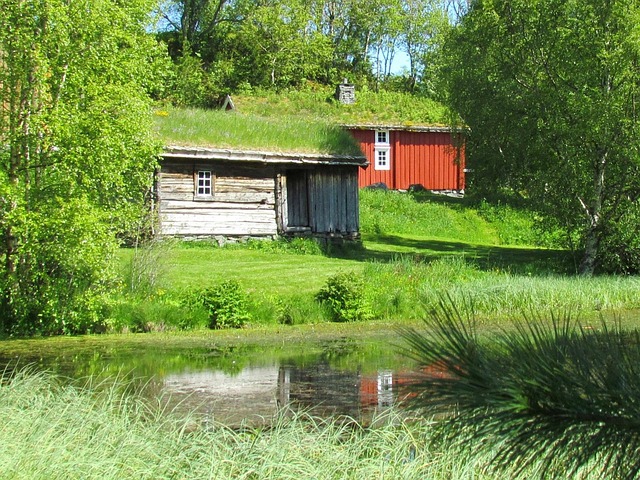
Additionally, installing water-saving fixtures, utilizing greywater systems, and adopting green roofing practices are among the many ways to make living spaces more resource-conscious. Landlords and property managers can also encourage eco-friendly habits among tenants through educational initiatives and incentives for energy and water conservation. These efforts not only benefit the planet but often lead to long-term cost savings for residents.
Resource Efficiency: The Future of Homes

The future of homes lies in resource efficiency, a concept that’s taking center stage in the real estate world. As environmental consciousness grows, consumers are increasingly looking for living spaces that minimize their ecological footprint. Resource-conscious design isn’t just about reducing energy consumption; it encompasses responsible use of materials, water conservation, and smart waste management systems.
Today’s innovative architects and builders are integrating sustainable practices into every aspect of home development. From solar panels on rooftops to smart thermostats that optimize heating and cooling, these features not only lower utility bills for homeowners but also contribute to a greener planet. As the real estate market evolves, we can expect to see more properties boasting energy-efficient appliances, natural lighting strategies, and efficient flooring options—all part of a growing trend towards sustainable living spaces.