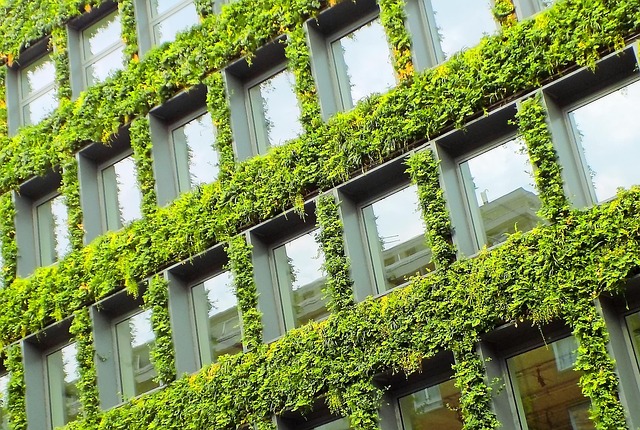
Real Estate inherently plays a pivotal role in shaping sustainable living, driven by growing environmental consciousness. Key strategies include integrating renewable energy sources, using sustainable materials, and efficient water management. Community-focused developments foster sustainability and well-being through shared green spaces and waste systems. Homeowners embrace resource-efficient design and management practices, leading to higher resale values. Landlords and developers can drive significant environmental and economic benefits by adopting smart technology, green building materials, and sustainable water practices.
In today’s rapidly evolving world, the concept of healthy and resource-conscious living spaces has gained significant importance. As urban populations grow and real estate becomes increasingly valuable, the demand for sustainable and efficient habitats is at an all-time high. However, many existing buildings fall short in terms of energy efficiency, natural light utilization, and overall well-being of occupants. This article explores innovative strategies and designs that can transform our living environments into not just comfortable spaces but also ecologically sound investments. By focusing on evidence-based practices and leveraging advancements in real estate development, we can create harmonious habitats that enhance quality of life while minimizing environmental impact.
Designing Eco-Friendly Spaces in Real Estate

In today’s world, designing eco-friendly spaces within real estate is not merely a trend but an imperative need. As environmental consciousness grows, consumers are increasingly looking for living spaces that align with their sustainable values. Real estate developers and designers play a pivotal role in this transition by creating habitats that minimize environmental impact while optimizing resource efficiency. This involves integrating renewable energy sources, using sustainable building materials, and incorporating green infrastructure to reduce water consumption. For instance, the adoption of solar panels on residential rooftops has seen a significant surge, with data indicating a global increase in solar capacity of over 20% in the last decade.
One practical approach is to embrace natural lighting and ventilation as key design elements. Large windows and skylights not only reduce electricity usage for artificial lighting but also foster a connection between inhabitants and the outdoors. This integration of nature into indoor spaces has proven psychological benefits, enhancing well-being and reducing stress levels. Additionally, using locally sourced materials reduces carbon footprints associated with transportation while supporting regional economies. For real estate developers, partnering with architects who specialize in sustainable design can lead to innovative solutions tailored to specific climates and environments.
Beyond individual homes, community-focused developments that prioritize collective sustainability are gaining traction. Shared green spaces, communal gardens, and efficient waste management systems not only reduce environmental impact but foster a sense of community among residents. As cities become more densely populated, these resource-conscious designs offer a blueprint for urban living that balances density with eco-friendliness. Ultimately, the real estate industry’s commitment to sustainable practices is not just about meeting consumer demands but also ensuring a livable planet for future generations.
Sustainable Living: A Guide for Homeowners

Sustainable living has become a cornerstone of modern real estate, with homeowners increasingly prioritizing eco-friendly practices. This shift is not merely a trend but a responsible response to environmental challenges. A resource-conscious home isn’t just about reducing energy bills; it’s an investment in a healthier planet and a more livable future. Effective sustainability strategies begin with thoughtful design and construction choices. For instance, incorporating natural lighting and ventilation reduces the reliance on artificial energy sources. Many successful examples worldwide showcase how modern architecture can seamlessly blend aesthetics and environmental responsibility.
Once constructed, a home’s ongoing management plays a pivotal role in its ecological footprint. Simple yet powerful changes include switching to energy-efficient appliances and LED lighting. Homeowners can further reduce their carbon footprint by adopting water conservation practices, such as low-flow fixtures and greywater recycling systems. These measures not only conserve resources but also offer long-term financial benefits through lower utility bills. According to recent studies, homes that incorporate sustainable features often command higher resale values, demonstrating the growing market appreciation for eco-friendly real estate.
Moreover, sustainable living extends beyond individual homes; it has a collective impact on communities and ecosystems. Homeowners can contribute to local biodiversity by cultivating native plant gardens, providing habitats for wildlife, and reducing the use of harmful chemicals. By adopting circular economy principles, such as composting organic waste and repurposing materials, residents can minimize their environmental footprint. Engaging with local initiatives and supporting green building practices further strengthens the positive impact on real estate and the surrounding environment.
Resource Efficiency: Transforming Real Estate

Resource efficiency is a critical component of healthy, sustainable living spaces, and real estate plays a pivotal role in this transformation. The global push towards eco-friendly practices has led to a growing awareness of the environmental impact of our built environments. Real estate naturally sits at the intersection of human habitation and ecological preservation, making it a prime area for innovation and change. Studies show that adopting resource-efficient strategies in buildings can reduce energy consumption by up to 30%, water usage by 40%, and greenhouse gas emissions significantly. These improvements not only contribute to environmental conservation but also offer economic benefits to homeowners and renters through lower utility bills.
Transforming real estate towards greater resource efficiency involves a multifaceted approach. One key strategy is the implementation of smart technology, such as energy-efficient appliances, LED lighting, and automated thermostats, which can significantly reduce energy waste. For example, smart homes equipped with these technologies have been shown to achieve energy savings of up to 20% compared to traditional buildings. Additionally, green building materials and design principles, like the use of natural insulation, solar panels, and rainwater harvesting systems, can further enhance resource conservation. Landlords and property managers should consider offering incentives for tenants who adopt energy-saving habits or invest in eco-friendly upgrades, fostering a culture of sustainability within their properties.
Another vital aspect is sustainable water management. This includes low-flow fixtures, efficient irrigation systems, and rainwater collection, which can drastically cut down on water usage. Real estate developers and property owners should collaborate with local authorities to implement water conservation policies and promote education among occupants. For instance, in areas facing water scarcity, real estate professionals can champion the adoption of greywater recycling systems, which reuse water from sinks and showers for flushing toilets or irrigation, thereby reducing fresh water demand. By embracing these resource-conscious practices, real estate can contribute to a more sustainable future while ensuring long-term economic viability.