Real Estate naturally embraces sustainable construction as a critical evolving aspect guided by global standards like LEED and regulatory frameworks (GBOS, EU's Green Deal). Key practices include energy-efficient design, responsible water management, eco-friendly materials, green roofs, and waste reduction. Early adoption offers long-term gains: improved occupancy rates, lower costs, enhanced property value, and compliance with tightening eco-friendly standards. Developers should stay informed, collaborate across disciplines, leverage technology, conduct site assessments, select sustainable materials, and implement green solutions for profitable, environmentally responsible assets.
The construction industry stands at a pivotal moment, grappling with the pressing need for sustainable practices while adhering to stringent regulations. As real estate continues to shape urban landscapes, it’s paramount to explore effective strategies that reconcile environmental stewardship with legal compliance. This article delves into the intricacies of sustainable construction, offering a comprehensive guide aligned with current regulations. We’ll dissect the challenges, present innovative solutions, and equip professionals with the knowledge to navigate this evolving landscape, ensuring both regulatory adherence and environmentally responsible practices in the dynamic realm of real estate.
Understanding Sustainable Construction Principles in Real Estate

In the realm of real estate, sustainable construction is not just a trend but an imperative. Understanding and aligning with sustainable construction principles are essential for developers, architects, and investors alike, as they navigate the evolving regulatory landscape. The integration of eco-friendly practices into real estate development offers numerous benefits, from reduced environmental impact to enhanced property value and improved occupant health. For instance, the Global Green Building Council reports that LEED-certified buildings command higher rents and sell for more than non-green counterparts in many markets.
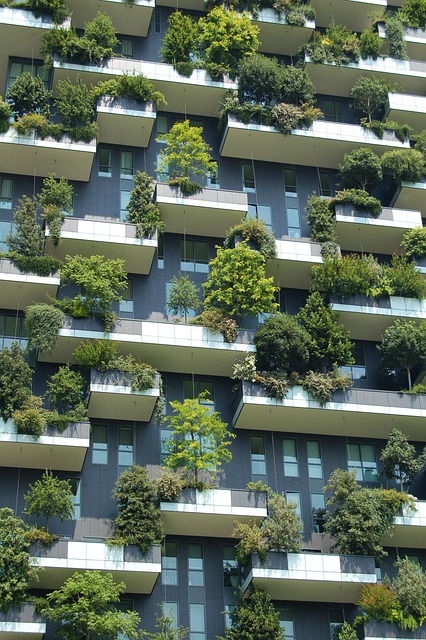
At the heart of sustainable construction lie several key principles that must be embraced. These include energy efficiency through design innovations and efficient systems, responsible water management strategies, and the use of environmentally friendly materials. Developers in urban areas are increasingly adopting green roofs and vertical gardens to mitigate heat islands and improve air quality. In suburban settings, proper waste management and recycling programs are becoming industry standards. For real estate professionals, staying informed about local and national regulations is crucial. The U.S. Green Building Council’s LEED (Leadership in Energy and Environmental Design) rating system provides a framework for measuring sustainability performance and has been adopted globally.
Implementing sustainable construction practices requires strategic planning and investment, but the long-term gains are substantial. For real estate investors, prioritizing green buildings can lead to improved occupancy rates and lower operating costs due to reduced energy and water consumption. Case studies of landmark sustainable developments demonstrate that these properties not only attract tenants and buyers concerned about environmental issues but also perform better financially over time. As regulatory bodies worldwide tighten eco-friendly standards, developers who embrace sustainability early will be best positioned to thrive in a rapidly changing market.
Regulatory Frameworks for Eco-Friendly Building Practices
The rapid growth of the global real estate sector has prompted a growing focus on sustainable construction practices. As environmental concerns mount, regulatory frameworks are evolving to incentivize and enforce eco-friendly building standards. These changes present both challenges and opportunities for developers, architects, and contractors alike. The key lies in understanding and aligning with these regulatory shifts, which vary across jurisdictions but share common goals: reducing carbon footprints, minimizing waste, and promoting the use of renewable materials.
Regulatory bodies worldwide are introducing stringent codes and standards to drive sustainability in construction. For instance, many countries have adopted the Global Green Building Standards (GBOS) as a benchmark. These standards mandate energy-efficient designs, water conservation measures, and the use of sustainable materials. In Europe, the EU’s Green Deal sets ambitious targets for all sectors, including real estate, aiming to achieve climate neutrality by 2050. Developers in North America are also facing stricter regulations, such as those imposed by the U.S. Environmental Protection Agency (EPA), which focus on reducing greenhouse gas emissions from new constructions and retrofits.
To stay ahead of these trends, real estate professionals must adopt a proactive approach. This includes staying informed about local regulations, engaging with industry experts, and incorporating sustainable practices into project planning from the outset. Collaboration between architects, engineers, and contractors is crucial to ensure designs meet regulatory requirements while remaining cost-effective. Additionally, leveraging technology for more precise material calculations, energy modeling, and efficient construction processes can significantly enhance a project’s eco-friendliness. By embracing these strategies, the real estate industry can contribute to global sustainability goals while creating healthier, more resilient buildings.
Implementing Green Strategies: A Step-by-Step Guide for Developers

Sustainable construction practices have become a cornerstone of the real estate industry, with developers increasingly recognizing their environmental and economic benefits. Implementing green strategies not only aligns projects with stringent regulations but also enhances property values and improves long-term profitability. This guide offers a step-by-step approach for developers to effectively integrate sustainability into their projects, ensuring compliance and maximizing returns.
The initial step involves conducting a thorough assessment of the site and project goals. Developers should analyze local environmental conditions, climate patterns, and available resources to tailor sustainable solutions. For instance, in regions with abundant solar exposure, incorporating photovoltaic panels or solar thermal systems can significantly reduce energy consumption. Similarly, evaluating water resources and implementing efficient irrigation designs can conserve this precious resource. Once these foundational elements are in place, developers can move on to designing energy-efficient buildings. This includes selecting high-performance insulation materials, optimizing window placement for natural lighting and ventilation, and integrating smart thermostats and LED lighting systems.
As the project advances, focusing on sustainable materials selection becomes paramount. Developers should prioritize locally sourced, recycled, or low-emission materials to minimize the carbon footprint of construction. For real estate projects, this might translate into specifying reclaimed wood finishes, choosing concrete alternatives like bamboo or hemp, or opting for recycled content in flooring and tiling. Additionally, implementing green roofing systems can provide insulation benefits while fostering biodiversity. Lastly, developers should incorporate strategies for waste reduction and management. This includes implementing recycling programs, using compostable materials where possible, and ensuring proper disposal protocols throughout the construction process. By adhering to these steps, developers not only meet regulatory requirements but also create real estate assets that are environmentally responsible and financially rewarding.